Transform Your Garden with Expert Hydrangea Care
Posted on 17/06/2025
Hydrangeas are among the most beloved garden flowering plants, celebrated for their lush blooms and vibrant hues. Whether you dream of a tranquil cottage retreat or a modern outdoor oasis, expert hydrangea care is the key to unlocking their full beauty. In this comprehensive guide, you'll discover everything you need to know to transform your garden into a hydrangea haven. From choosing the right variety to mastering pruning and solving common challenges, these tips will ensure your hydrangeas flourish year-round.
Why Hydrangeas Enchant Gardeners
Hydrangeas have captivated gardeners for centuries with their stunning flowers, which can range from snowy white to soft pink, rich blue, or vibrant purple, depending on the pH of the soil. Beyond their breathtaking appearance, these shrubs offer:
- Extended blooming periods: Many varieties flower for several months, providing long-lasting color.
- Versatility: Hydrangeas thrive in a variety of garden styles, from formal landscapes to wildflower borders.
- Attraction of pollinators: Their bountiful blooms help support bees, butterflies, and other vital insects.
With expert hydrangea care, any gardener can enjoy these benefits while ensuring healthy, vigorous plants that turn heads all summer long.
Selecting the Perfect Hydrangea for Your Garden
There are several types of hydrangeas to consider, each bringing distinct beauty and requirements. Selecting the right type is a crucial step in creating your dream hydrangea landscape.
Main Hydrangea Varieties
- Hydrangea macrophylla (Bigleaf): Known for their large, mophead or lacecap flowers; color is pH-dependent.
- Hydrangea paniculata (PeeGee): Cone-shaped flower clusters, hardy, and tolerant of full sun.
- Hydrangea arborescens (Smooth hydrangea): Native to the U.S., produces white flowers like the famous 'Annabelle.'
- Hydrangea quercifolia (Oakleaf): Notable for oak-shaped leaves and white blooms turning pinkish as they age.
- Hydrangea serrata (Mountain hydrangea): Cold-hardy, with delicate lacecap blossoms.
*Tip*: Match the hydrangea variety to your climate and garden conditions for easiest care and best results.
Essential Steps for Planting Hydrangeas
Planting hydrangeas thoughtfully is the foundation for years of extraordinary blooms. Here's how expert gardeners ensure success:
Choosing the Right Location
- Light: Most hydrangeas perform best in partial sun -- ideally, morning sun and filtered afternoon shade.
- Soil: Fertile, well-draining soil rich in organic matter is ideal. Test your soil pH for color-changing varieties like H. macrophylla.
- Spacing: Allow enough space for mature spread--hydrangeas can reach 3-8 feet tall and wide, depending on the variety.
Planting Process
- Dig a hole twice as wide and just as deep as the root ball of your hydrangea.
- Amend the soil with compost to enrich and support strong root growth.
- Gently insert the plant, ensuring the top of the root ball is even with the soil surface.
- Backfill, water thoroughly, and mulch to conserve moisture and regulate temperature.
Mulching with organic material also helps prevent weed competition and keeps roots cool during summer.
Watering Tips for Healthy Hydrangeas
One of the most critical aspects of hydrangea care is consistent watering. Hydrangeas are sensitive to both drought and overwatering, especially during their first seasons.
- Newly planted hydrangeas require watering 2-3 times per week.
- Established hydrangeas benefit from deep watering once a week, more often in extreme heat.
- Always water at the base to avoid wetting leaves, which can lead to disease.
- Early morning watering reduces evaporation and allows leaves to dry before evening.
Aim for moist but not soggy soil--a finger test can help you check moisture at root level.
Boosting Bloom Power: Fertilizing Hydrangeas
Nourishing your hydrangeas with the right fertilizer will result in fuller, more exuberant flowers. Here's how to feed your plants for maximum beauty:
- Apply a slow-release, balanced fertilizer formulated for shrubs in spring as new growth appears.
- For bigleaf hydrangeas: Adjust feeding according to the desired bloom color--aluminum sulfate for blue, garden lime for pink.
- Avoid over-fertilizing, which can result in leafy growth but fewer blooms.
- Top-dress annually with compost for ongoing organic nutrition.
*Note*: Stop fertilizing by late summer to prevent stimulating tender late-season growth.
How to Prune Hydrangeas Like an Expert
Proper hydrangea pruning enhances flowering, maintains shape, and removes old or diseased wood. Because pruning needs vary by hydrangea type, it's critical to know when and how to prune yours.
General Pruning Guidelines by Type
- Bigleaf (macrophylla) & Mountain (serrata): Prune after blooming in summer. Only remove spent blooms and dead/damaged stems. These set buds for next year's flowers in late summer/fall, so avoid harsh cutting in spring.
- PeeGee (paniculata) & Smooth (arborescens): Prune in late winter or very early spring--flowers form on new wood.
- Oakleaf (quercifolia): Minimal pruning, just remove old flowers and dead wood after blooms fade.
Prune with sharp, clean tools to reduce disease risk and make precise cuts for healthy regrowth.
Adjusting Hydrangea Color: The Magic of Soil pH
Few plants offer the unique ability to change flower color like hydrangeas. With hydrangea macrophylla and some serrata varieties, you can influence the flower color by adjusting your soil's pH level.
- Blue Blooms: Achieved with acidic soil (pH below 6.0). Add aluminum sulfate or sulfur.
- Pink Blooms: Achieved with alkaline soils (pH above 7.0). Add lime to raise pH level.
- Color may take a season or more to change, and white hydrangeas typically remain white regardless of pH.
*Test your soil pH before adding amendments, and always follow product instructions to avoid plant stress.*
Protecting Hydrangeas from Pests and Diseases
With a proactive approach, hydrangea care experts keep plants pest- and disease-free. Here's what to watch for:
- Common insects: Aphids, spider mites, and scale insects. Use strong water sprays or horticultural soap control.
- Leaf spots and powdery mildew: Foster good air circulation with proper spacing and prune to open the center.
- Root rot and wilting: Prevent by providing well-drained soil and avoiding waterlogged conditions.
- Deer and rabbits: Protect young shrubs with fencing or repellents if wildlife is a concern.
*Monitor regularly for unusual spots or wilting, acting quickly to control outbreaks and keep hydrangeas thriving.*
Winter Preparation: Ensuring Healthy Hydrangeas Next Spring
Proper winter care for hydrangeas is essential for consistent flowering year after year, especially in colder climates.
- Stop fertilizing by late summer to allow growth to harden.
- Mulch heavily around the base (2-4 inches) to insulate roots from freeze/thaw cycles.
- Bigleaf and mountain hydrangeas may benefit from burlap wraps or protective cages filled with straw if winter is especially severe.
- Remove winter protection gradually in spring when frost danger passes.
Expert hydrangea care means anticipating needs before problems arise!
Hydrangea Care FAQs and Troubleshooting
Why aren't my hydrangeas blooming?
- Improper pruning--removing buds formed last year.
- Late frosts damaging new growth.
- Too much shade or excess nitrogen fertilizer.
How do I revive a wilted hydrangea?
- Water deeply and mulch to conserve moisture.
- Assess root health--if soggy, improve drainage before watering further.
Can I grow hydrangeas in containers?
- Yes! Choose compact varieties and use a high-quality potting mix with built-in drainage.
Landscape Design Ideas for Show-Stopping Hydrangeas
Getting creative with your hydrangea displays allows you to let your personality shine. Consider these designer-inspired ideas:
- Mixed borders: Combine hydrangeas with hostas, ferns, and shade-loving perennials for a woodland feel.
- Foundation plantings: Line walkways or foundations for a soft, romantic aesthetic.
- Specimen planting: Feature large, dramatic hydrangeas as focal points against shrubs or fences.
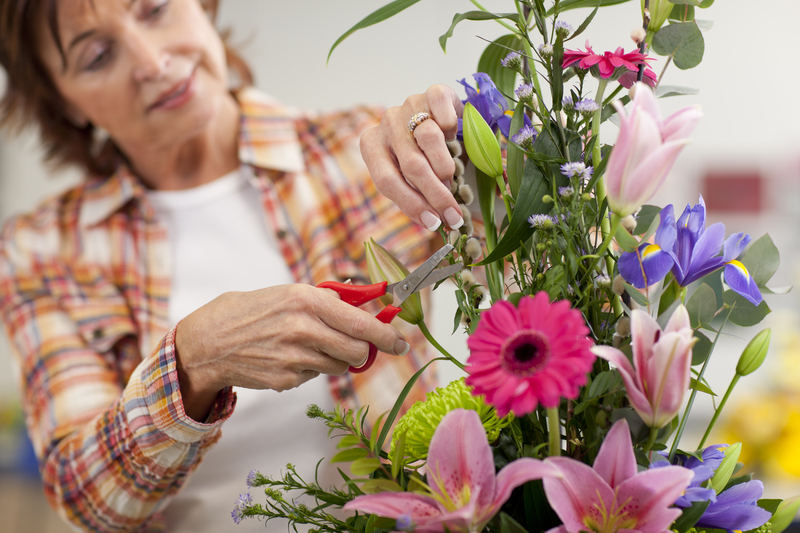
- Cutting gardens: Grow hydrangeas for beautiful bouquets--select reblooming varieties for weeks of color indoors.
Don't forget to add seasonal interest with companions such as spring bulbs, summer grasses, and autumn foliage plants!
Transform Your Garden Today with Pro Hydrangea Care
Hydrangeas are the perfect blend of timeless elegance and modern garden design. With the right planting, watering, pruning, and fertilization techniques, you can enjoy abundant blooms year after year. Adjust soil pH for color magic, protect from seasonal extremes, and troubleshoot common challenges for a resilient, rewarding landscape.
Start your hydrangea journey today and watch your outdoor space come alive with lush flowers and vibrant color. With the expert hydrangea care tips in this guide, your garden transformation is just a season away!
Share your hydrangea success stories or questions below, and let's inspire other readers to create their dream garden with these enchanting blooms!
Latest Posts
Which Flower Captures the Essence of Your Soul
Flower power secrets for a happier, healthier you
Make Your Poinsettias Thrive Beyond the Holidays