3 Stress-Free Ways to Extend the Life of Your Flowers
Posted on 13/06/2025
3 Stress-Free Ways to Extend the Life of Your Flowers
Fresh flowers have a magical way of brightening up any space, lifting your mood, and adding a touch of natural beauty to your home. But sadly, their vibrant charm doesn't last forever. Many of us find ourselves wishing our flower arrangements could stay fresh and stunning for days--if not weeks--longer. Luckily, there are easy, stress-free solutions to help you maximize the lifespan of your floral arrangements. Discover these top three stress-free ways to extend the life of your flowers, and enjoy their beauty for days on end.
Why It Matters to Make Your Flowers Last Longer
Cut flowers are more than just decorative; they can invigorate your space, improve your mood, and add a sense of tranquility to your environment. However, without proper care, even the most gorgeous bouquets can wilt and fade prematurely. Learning stress-free flower care techniques helps you get the most from your arrangements, reduces waste, and lets you make the most of your investment--whether those blooms are from a florist, your garden, or a thoughtful gift.
Understanding What Shortens Flower Life
Before diving into the best ways to extend the life of your flowers, it's important to understand what commonly causes flowers to droop and die:
- Bacteria growth in water
- Insufficient hydration or dirty water
- Exposure to heat, drafts, or direct sunlight
- Improper cutting of stems
By targeting these major culprits, it's possible to keep your bouquets vibrant and fresh with minimal effort!
Stress-Free Way #1: Master the Art of Water and Vase Care
Start With a Clean Vase
The first step in ensuring longer-lasting flower arrangements is to thoroughly clean your vase. Bacteria can rapidly multiply in dirty water, poisoning the stems and causing flowers to wilt. Always wash your vase with warm, soapy water and rinse it well before adding fresh water.
Use Fresh Water and Change It Regularly
One of the easiest ways to extend the life of your florals is to use clean, room-temperature water and replace it every other day. Each time you change the water, be sure to remove any leaves below the waterline--these can rot and speed up bacteria growth. Even if the water looks clear, invisible bacteria can still build up, so make regular changes a habit!
- Tip: Add just enough water to cover the stems, but don't overfill--excess water can encourage bacterial growth.
Consider Flower Food for Extra Nourishment
Most professional bouquets come with a packet of flower food--and for good reason! This mixture contains glucose for nutrition, acidifiers to maintain the water pH, and bleach to combat bacteria. If your flowers didn't come with a packet, you can make your own simple flower food by mixing:
- 1 quart of warm water
- 2 tablespoons lemon juice
- 1 tablespoon sugar
- 1/2 teaspoon household bleach
*Stir well and add to your vase to help keep your flowers fresh longer.
Stress-Free Way #2: Precise Stem Trimming Makes a Big Difference
Proper stem cutting is a key factor in prolonging the beauty of your blossoms. When stems are improperly cut, air bubbles can block water absorption--a condition known as "stem embolism"--which starves your flowers and quickly leads to drooping petals.
How To Trim Stems for Maximum Flower Longevity
- Always use sharp, clean scissors or floral shears. Dull blades can crush stems, making it even harder for flowers to draw up water.
- Cut stems at a 45-degree angle. This increases the surface area for absorption and prevents the stems from sitting flat at the bottom of the vase, which can block water uptake.
- Trim stems under running water or submerged in water. This helps prevent air from entering the stems during cutting, ensuring flowers can hydrate freely.
- Remove any leaves below the waterline. Submerged foliage will rot quickly, spoil the water, and shorten the lifespan of your bouquet.
How Often Should You Re-trim?
To maximize the freshness of your flowers, re-trim the stems every two to three days--ideally whenever you change the vase water.
Stress-Free Way #3: Strategic Placement and Environmental Care
Where your flowers live matters just as much as how you care for their water and stems. Environmental factors like sunlight, temperature, and air circulation can dramatically affect your flowers' lifespan.
Keep Flowers Cool
Flowers last longer in cooler environments. Keep your arrangement away from direct sunlight, heat sources (like radiators, ovens, and electronics), and appliances that emit heat. These factors cause flowers to dehydrate and wilt much faster.
Avoid Drafts and Fruit Bowls
Another trick to preserve your flower arrangements is to steer clear of drafty areas, as sudden temperature changes encourage moisture loss. Avoid placing your vase near a fruit bowl! Ripening fruit releases ethylene gas, which can speed up the aging and decay of flowers.
- Ideal flower spots: A shaded table, cool corner, or a spot away from windows and vents.
Bonus Environmental Tips for Flower Longevity
- Nighttime cool-down: If possible, move your arrangement to a cooler room overnight. Some even recommend the refrigerator, but it must be free of fruit and vegetables to avoid ethylene exposure.
- Humidity helps: If your home is particularly dry, lightly mist your bouquet with water. This can help some delicate flowers prevent moisture loss.
Common Flower Types and Their Special Care Needs
Some blooms have unique requirements. Understanding a few flower-specific care tips can help you customize your approach for even better results:
- Roses: Remove outer guard petals for a fresher look. Always cut above a node, and keep water level high.
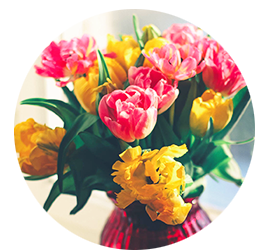
- Tulips: These are thirsty blooms. Check and refill water daily! Also, keep them away from daffodils as they release sap that can harm other flowers.
- Hydrangeas: They love water--mist the petals, not just the stems, to keep them hydrated.
- Lilies: Remove pollen stamens to prevent stains and prolong petal freshness.
- Daffodils: Let them stand alone for a few hours in water before combining with other flowers, as their sap is toxic to some blooms.
Extra Life Extension Tricks: What Works and What's Just a Myth?
Over the years, many homemade flower food "hacks" have circulated. Here's what science and florists say works--and what doesn't:
- Work: Commercial flower food, homemade mix (lemon juice, sugar, bleach), regular water changes, proper trimming.
- Mixed results: A penny in the vase (some say the copper slows fungal growth, but results are mixed).
- Myth: Aspirin, Sprite, or vodka--there's little solid evidence that these preserve flowers better than the standard methods above.
FAQs: Get More From Your Flowers
-
Should I remove all leaves from my flowers?
Only remove leaves that sit below the waterline. Above-water leaves help with photosynthesis and support bloom strength. -
Can I revive wilted flowers?
Try re-trimming stems and placing the flowers in fresh, cool water. Some flowers, like hydrangeas, can be revived by submerging the entire bloom in water for 30 minutes. -
How do I dry flowers for keepsakes?
Hang flowers upside down in a dark, dry space for several weeks. This preserves shape and color better than other methods.
In Conclusion: Enjoy Beautiful Blooms for Days, Stress-Free
With just a few simple habits, anyone can extend the freshness and lifespan of cut flowers without hassle. From cleaning your vase and changing water routinely, to trimming stems with precision and providing the right environment, these stress-free flower longevity tips will keep your arrangements looking gorgeous for far longer.
Next time you're treating yourself or a loved one to a lush bouquet, refer back to these three stress-free ways to extend flower life. Your blooms (and your wallet) will thank you!
Key Takeaways for Lasting Flowers:
- Clean vase and water are non-negotiable.
- Trim stems at an angle and remove submerged leaves.
- Keep arrangements cool, out of direct sunlight and fruit's reach.
With these Google-friendly flower care tips, you're ready to enjoy longer-lasting flowers--hassle-free!